
What Modern Computing Demands Are Teaching Us About Liquid Cooling Systems
Modern computing has entered a phase in which performance is no longer limited solely by processors, memory speed, or storage capacity. Instead, thermal management has become one of the most critical factors influencing system design, reliability, and scalability. As workloads grow more complex and hardware becomes denser, traditional approaches are struggling to keep up. This shift is pushing engineers and infrastructure designers to rethink how heat is managed, leading to a stronger focus on advanced liquid cooling systems.
Table of Contents
- The Growing Thermal Challenge in Modern Computing
- Why Liquid-Based Thermal Management Is Gaining Ground?
- Cooling Systems and the Shift in Infrastructure Design
- Engineering Insights Behind Liquid Cooling Systems
- Why Data Centers Are Transitioning to Liquid Cooling?
- The Role of Liquid Cooling in High-Density Infrastructure
- Industry Adoption and Real-World Implementation
- Challenges in Modern Cooling System Design
- Complexity in System Integration
- Maintenance Considerations
- Cost and Implementation Factors
- FAQs
- What makes liquid cooling systems important in modern computing?
- How do cooling systems for data centers improve efficiency?
- Why is datacenter liquid cooling becoming more common?
- What is the advantage of a liquid cooling datacenter design?
- Are liquid cooling systems suitable for long-term infrastructure use?
- Conclusion
The Growing Thermal Challenge in Modern Computing
Increased Workload Density and Heat Output
Modern processors, GPUs, and accelerators generate significantly more heat due to higher transistor density and continuous high-performance operation. As a result, traditional air-based methods are reaching physical and efficiency limits. This is where liquid cooling systems become essential. Unlike air, liquids can absorb and transfer heat more efficiently, making them suitable for environments with extreme computational demands.
Energy Efficiency Pressures
Energy consumption has become a major concern in large-scale computing environments. Organizations are now expected to maintain high performance while minimizing energy waste. This balance is difficult to achieve using conventional cooling systems, especially in tightly packed server environments. Advanced cooling systems for data center equipments are being designed to reduce energy overhead while maintaining stable thermal conditions.
Why Liquid-Based Thermal Management Is Gaining Ground?
Superior Heat Transfer Efficiency
Liquid cooling systems provide a significantly higher heat transfer rate compared to air-based systems. This allows heat to be removed directly from critical components such as CPUs and GPUs. It is now a core architectural requirement. This has elevated the role of cooling systems across industries, particularly in environments where uptime, efficiency, and energy optimization are critical.
Stability Under Continuous Load
Modern applications run continuously, often with minimal downtime. It helps maintain consistent temperatures even under sustained workloads, reducing the risk of thermal throttling.
Space Optimization Benefits
By reducing the need for large air-handling equipment, liquid cooling datacenter designs allow for more efficient use of physical space, enabling higher compute density. The evolution of computing environments, especially in high-performance and AI-driven workloads, has made it clear that cooling is no longer a supporting function.
Cooling Systems and the Shift in Infrastructure Design
From Peripheral to Core System Design
Cooling is no longer treated as an afterthought. Instead, they are now integrated into the initial design of computing infrastructure. This includes server layout, rack design, and facility planning. This integrated approach ensures optimal thermal performance from the ground up. It also helps engineers align cooling efficiency with overall system architecture goals.
Integration of Advanced Thermal Loops
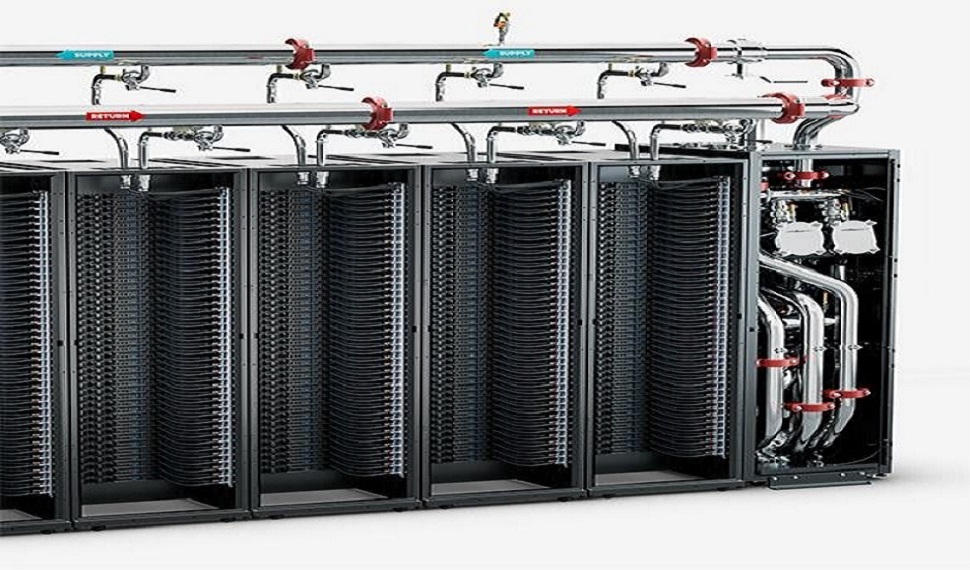
They also enhance energy efficiency in high-performance computing environments. Modern data center cooling systems often include closed-loop liquid circulation. These systems are designed to move heat away from components efficiently while maintaining operational stability. Such thermal loops enable precise control over coolant flow and heat transfer.
Improved Reliability in High-Density Environments
As computing density increases, so does the risk of overheating. Datacenter solutions provide a more controlled thermal environment, reducing hardware failure rates. This leads to improved uptime and consistent system performance under heavy workloads.
Engineering Insights Behind Liquid Cooling Systems
Direct-to-Chip Cooling Approaches
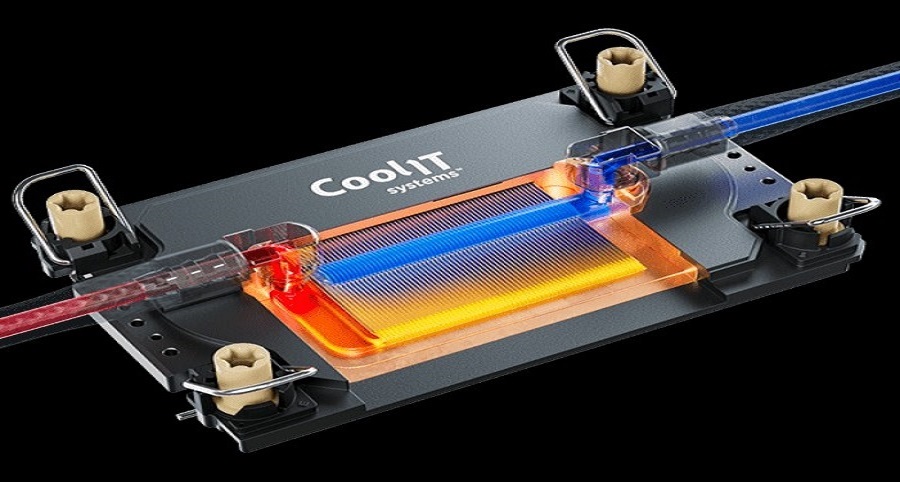
One of the most effective methods used in systems involves direct contact with heat-generating components. This allows for immediate heat transfer and improved efficiency.
Modular Cooling Architecture
Modern designs often use modular systems that can scale with demand. This flexibility is essential for environments that experience fluctuating workloads.
System-Level Optimization
Rather than focusing only on individual components, engineers now design cooling systems that optimize heat management across the entire infrastructure.
Why Data Centers Are Transitioning to Liquid Cooling?
Increasing Computational Demand
The rise of artificial intelligence, machine learning, and real-time analytics has significantly increased compute density. Traditional air systems are no longer sufficient. This shift is driving the need for more efficient and scalable thermal management solutions.
Efficiency and Sustainability Goals
Modern cooling systems for data centers are being designed to reduce environmental impact while maintaining performance standards. Liquid cooling helps lower energy consumption and supports greener data center operations.
Long-Term Operational Stability
By maintaining stable thermal conditions, it reduce wear on hardware components and improve system longevity. These advanced cooling solutions are increasingly being developed and deployed in regions like Alberta to support high-performance computing infrastructure.
The Role of Liquid Cooling in High-Density Infrastructure
Enabling Next-Generation Compute
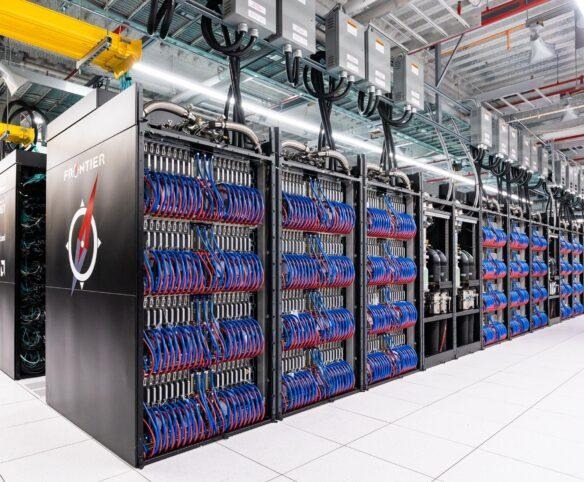
Liquid cooling systems allow data centers to support higher power densities without compromising performance or safety. This makes it possible to efficiently run AI, HPC, and other compute-intensive workloads.
Supporting Continuous Operation
Many modern applications require uninterrupted processing. It ensures that thermal conditions remain stable even under continuous load. This stability is critical for mission-critical systems that demand 24/7 uptime.
Enhancing Performance Reliability
By preventing overheating, liquid cooling datacenter environments help maintain consistent computational performance. This leads to improved system lifespan and reduced risk of thermal throttling.
Industry Adoption and Real-World Implementation
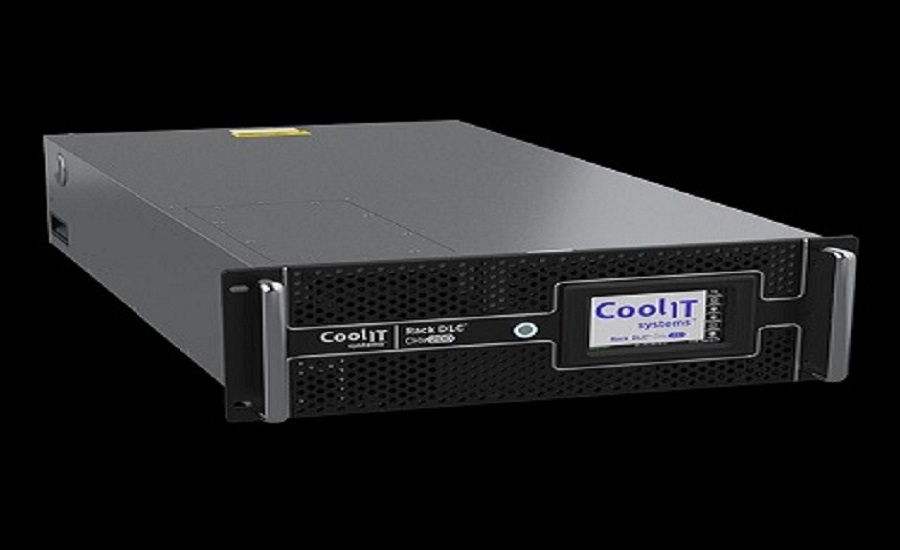
Organizations such as CoolIT Systems are advancing thermal management technologies for high-performance environments. These solutions are being applied across various industries where efficient heat management is essential for performance and reliability.
Challenges in Modern Cooling System Design
Complexity in System Integration
Integrating liquid cooling systems into existing infrastructure can require significant redesign of hardware layouts and facility architecture. Careful planning and system compatibility analysis help ensure smooth deployment and performance optimization.
Maintenance Considerations
Although highly efficient, liquid-based systems require precise engineering and monitoring to ensure long-term reliability. Regular monitoring and preventive maintenance are essential to maintain peak thermal efficiency.
Cost and Implementation Factors
Initial deployment of advanced systems can be more complex compared to traditional methods, but long-term efficiency often offsets these considerations. Over time, energy savings and improved system performance help justify the upfront investment.
FAQs
What makes liquid cooling systems important in modern computing?
Liquid cooling systems are important because they manage heat more efficiently than traditional methods, allowing high-performance hardware to operate safely under heavy workloads without overheating or performance loss.
How do cooling systems for data centers improve efficiency?
Cooling systems for data centers improve efficiency by reducing energy consumption and maintaining stable operating temperatures, which helps improve overall system reliability and reduces hardware stress.
Why is datacenter liquid cooling becoming more common?
Datacenter liquid cooling is becoming more common because modern computing generates high heat levels that air-based systems cannot handle efficiently, especially in dense server environments.
What is the advantage of a liquid cooling datacenter design?
A liquid-cooled data center design enables better space utilization, higher compute density, and improved thermal stability, making it suitable for advanced computing workloads.
Are liquid cooling systems suitable for long-term infrastructure use?
Yes, they are suitable for long-term use because they provide stable thermal control, reduce component stress, and support scalable infrastructure growth when properly designed and maintained.
Conclusion
Modern computing is reshaping how engineers think about thermal management. As workloads continue to grow in complexity and density, liquid cooling systems are becoming essential for maintaining performance, efficiency, and reliability. As technology continues to evolve, it will play an even more critical role in supporting the next generation of computing innovation.
To learn more about advanced thermal engineering solutions, use map directions to find experienced liquid cooling professionals in your area.
